Beyond Automation: Creating a Framework for Continuous
Operational Improvement

Global Life Insurance Company
(Confidential Client)
Industry: Global Life Insurance
Project Duration: 12 Months
Scope of Work: Support for Accelerating Financial Closing Processes (US GAAP)
The Client's Challenges
Eliminating the Financial Closing Lag Between Japan and the U.S.
A major global life insurance company was tasked with preparing quarterly financial closing reports under different accounting standards for Japan and the United States. However, the closing periods, reporting guidelines, and deadlines differed significantly between the two countries.
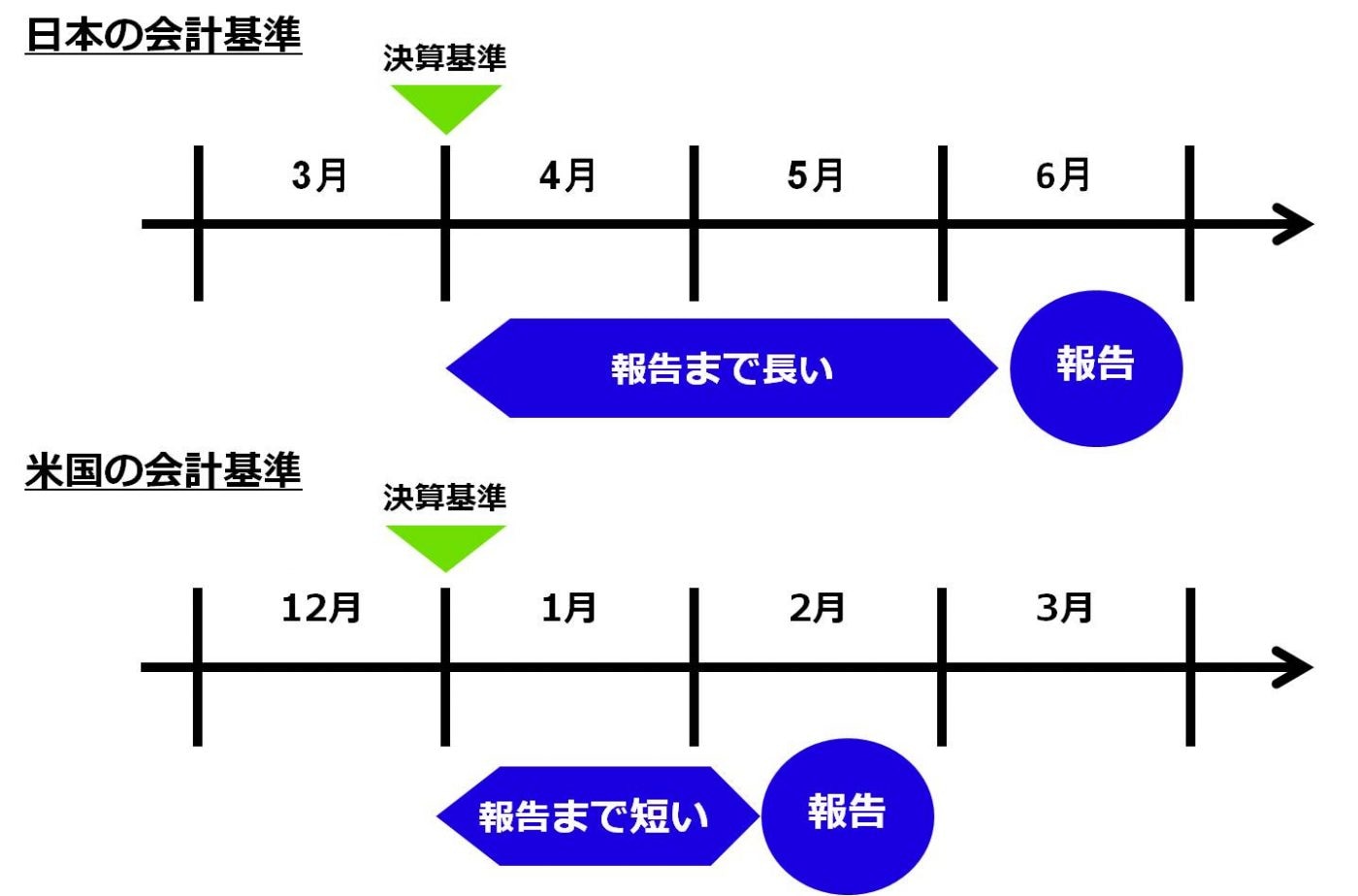
Due to the tighter reporting requirements in the U.S., the timeframe allowed from the closing benchmark date to submitting reports to the regulatory authorities is considerably shorter than that required for the Japanese market.
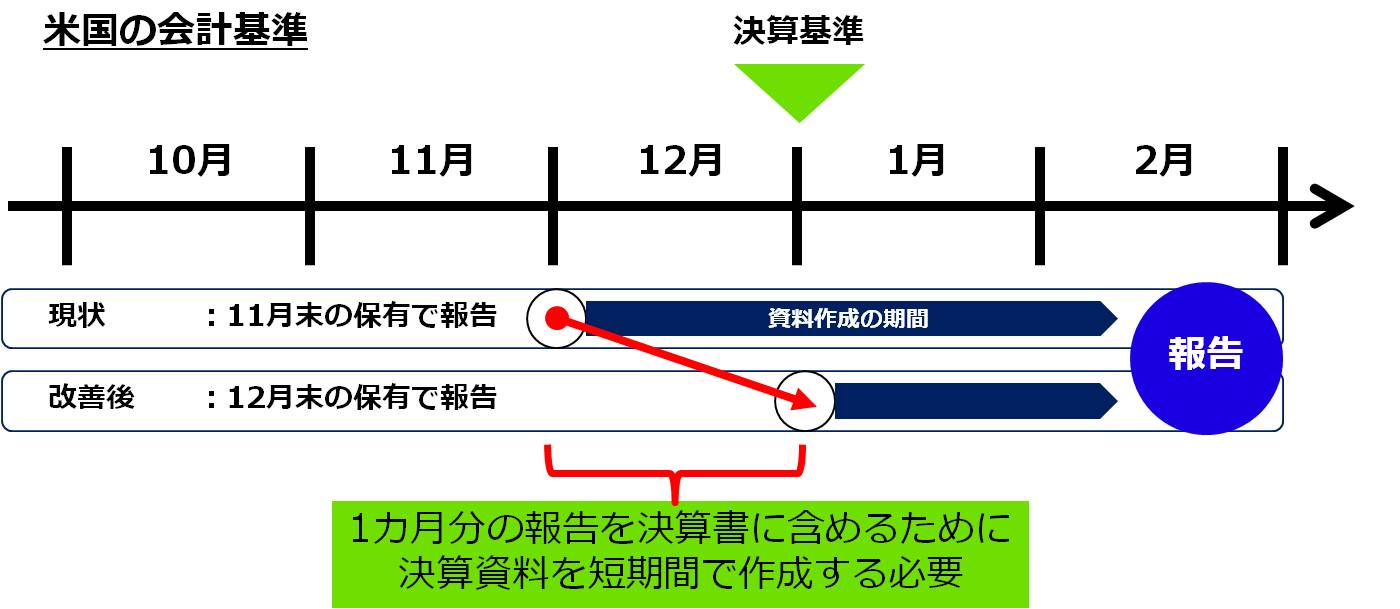
This project was initiated when a U.S.-based affiliate was designated by U.S. authorities as a "Systemically Important Financial Institution (SIFI)." This designation dramatically increased the risk of being penalized for reporting delays. Consequently, the primary objective of this project became eliminating the one-month reporting delay between local and U.S. reporting cycles in the reporting process.
The Solution
Understanding the Process Before Automating It
While the ultimate goal of this project was to reduce the time required to prepare financial closing reports, simply cutting down hours was not enough. Every output, such as a financial report, is inevitably the result of an underlying business process. A simplistic proposal like "Let's automate the entire process end-to-end." would not have been accepted by the client.
There are several critical reasons to avoid full automation:
- Loss of Process Visibility: Embedding all tasks into a system tends to hide the actual processes, effectively turning them into a "black box."
- Reduced Capacity for Future Improvement: If individual team members do not understand the underlying workflow they are executing, it triggers a long-term risk where future process improvements become significantly more difficult.
To deliver the optimal proposal, it is essential not only to understand the purpose of each process and the background behind current workflows but also to fully align with the long-term vision. We executed this project through the following approach.

Throughout this workflow, we identified new bottlenecks and discovered tasks that were actually redundant. Deeply understanding the objectives, backgrounds, and the client's true intent is crucial for an optimal solution. In this project, by maintaining constant communication, sharing ideas, and ensuring mutual alignment at every step, we achieved a smooth and successful optimization process.
The Results
Delivering Sustainable Process Improvements Through Collaborative Problem Solving
Through the implementation of the following optimization initiatives, we successfully streamlined operations and accelerated the financial closing process.
| Improvement Initiatives | The Results |
|---|---|
| Standardization & Automation | Minimizing Errors, Accelerating Setup Times |
| Process Reduction |
Reduced Labor Hours |
| Process Visualization | ー |
| Risk Mitigation in Work Migration | ー |
| Requirement Definition | Streamlined Data Verification |
| Tool Optimization (VBA) |
Up to 7 Hours Saved |
| Automated Batch Processing (VBA) |
Up to 10 Hours Saved |
| System Consolidation Support |
Reduced Operational Costs and Workload |
RELATION